The Resource Center at the Responsible Tourism Society of India (RTSOI) serves as a knowledge hub dedicated to promoting sustainable tourism practices. It provides access to an extensive range of resources, including case studies, research papers, guidelines, and toolkits, designed to support stakeholders in adopting responsible tourism initiatives. The center aims to educate and empower tourism professionals, policymakers, and travelers to make informed decisions that align with environmental sustainability, community well-being, and cultural preservation.
By fostering collaboration and knowledge-sharing, the Resource Center helps bridge gaps in understanding and implementation, ensuring a collective effort toward creating a more equitable and eco-conscious tourism industry.
RTSOI organizes impactful workshops aimed at fostering responsible tourism practices across the industry. These interactive sessions bring together tourism stakeholders, including businesses, policymakers, and local communities, to discuss sustainable strategies, share best practices, and build capacity. Through these workshops, participants gain practical insights into eco-friendly operations, community engagement, and cultural preservation, empowering them to implement responsible tourism initiatives effectively.

Preserving heritage, celebrating diversity – join us in restoring the essence of culture through responsible tourism.
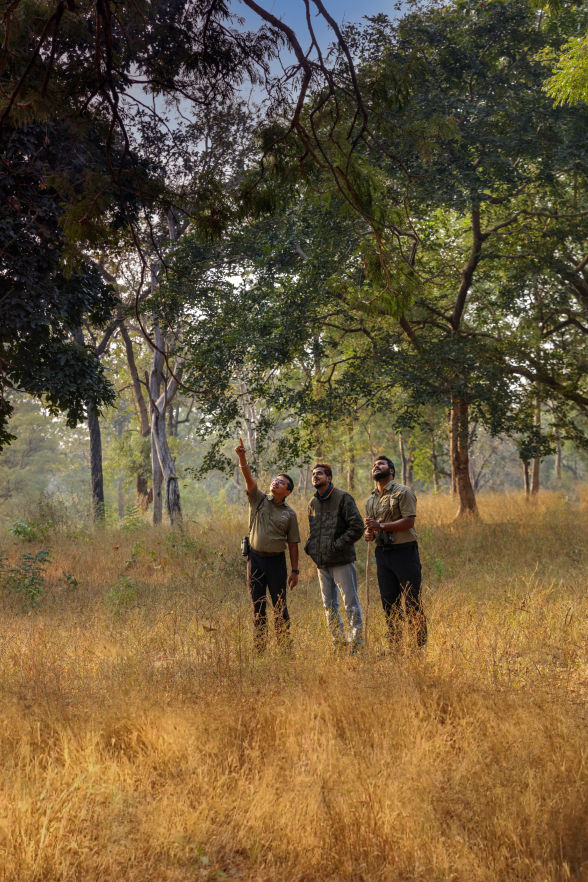
Reconnect with nature and learn how to protect India's wild heart for future generations.
Explore the intersection of health and travel – nurturing minds, bodies, and communities through wellness tourism.

Empowering villages, enriching experiences – discover the transformative potential of rural tourism.

View All our Webinars on our YouTube channel
Responsible Tourism Society of India.
On World Tourism Day, 27 September 2020, the Responsible Tourism Society of India (RTSOI), supported by the Ministry of Tourism, Government of India, launched guidelines to promote responsible travel and reduce the impact of global warming. These guidelines emphasize a ‘Green Lifestyle’ and call for collective action from travelers, the tourism industry, and the government to make tourism more sustainable and India a ‘Sustainable Tourism Destination.’ Established in 2008 as the Ecotourism Society of India by industry leaders, environmentalists, and government officials, RTSOI has been the Ministry’s ‘Sustainability Partner’ since 2016, fostering collaboration across stakeholders to champion responsible tourism.
Packing efficiently helps to reduce carbon emissions from aero planes. The lighter the aircraft, the less fuel it burns, and hence decreased carbon emission.
If travel time and physical issues are not a major concern, select a mode of transport that allows you to offset carbon. One can use an Adventure Travel Trade Association or United Nations carbon calculator to offset the carbon footprint. On a road, journey try and share a vehicle.
Turn off light switches and unplug Unsubscribe daily newspapers and download your e-ticket instead of paper printouts. DON'T LEAVE WITHOUT PREPARING YOUR HOME FOR A HOLIDAY. all electricals other than the fridge, freezer, and any other electrical appliances that need to stay on.
Unsubscribe daily newspapers and download your e-ticket instead of paper printouts.

Carry refillable bathroom toiletries instead of using the mini amenities provided in hotels/rented accommodation as they are generally non-biodegradable. Hotels should adopt refillable glass/ceramic containers that are secured to the wall. This will help reduce waste and one-time plastic.
Support a local entrepreneur or business and try local dishes to appreciate the local culture and support the local economy.
Use insulated stainless-steel tumblers. To avoid single-use plastic, refill your tumblers/flasks during your journey from hotels/guest houses where they have reverse osmosis and/or UV filtered water available. Conserve water and electricity as these are scarce resources. When not in the room, switch off the lights. Reducing energy use helps to decrease power plant emissions and combating climate change. At hotels/guesthouses, towels, and bed linen should be reused and not put into the wash on a daily basis. Decline non-reusable straws, coffee stirrers, and cutlery that are made of one-time plastic. Encourage your fellow travelers to minimize their waste and water usage on a trip.
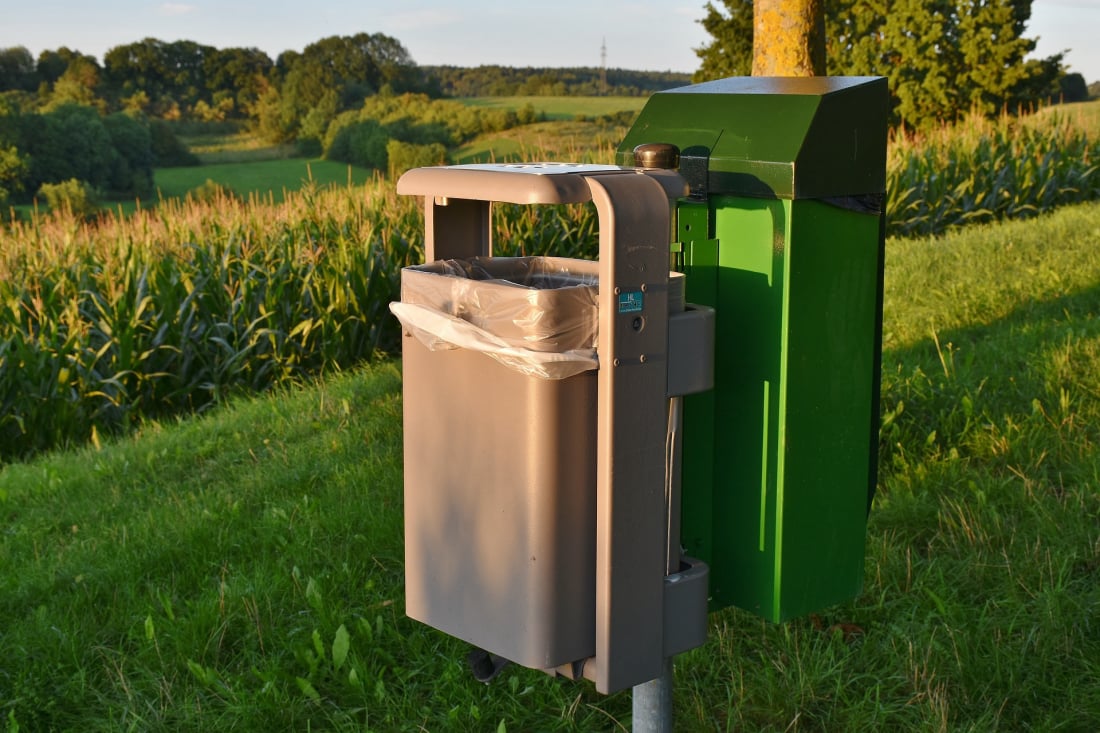
While travelling by road, do not throw your plastic or paper waste anywhere. Plastic will not degrade and both plastic and paper may be consumed by grazing animals. Carry your waste back where it can be segregated and disposed of responsibly.
Reduce your environmental impact by being a guardian of natural resources, and all habitats including forests and wetlands. Respect wildlife and its natural habitat. In protected areas, access only the places open to visitors and avoid disturbing fragile environments and locations such as coral reefs and archaeological finds. While in the water, wear sunscreen that does not cause harm to the marine ecosystem. Leave only a minimum footprint.
Promote and purchase handicrafts, souvenirs directly from the local community, or non-profit cooperatives. This would support destinations and encourage people to retain their local culture. Do carry, a reusable bag for purchases. Protect wildlife and habitats and do not buy products made from protected and endangered plants or animals such as seashells, shahtoosh shawls, etc. A detailed list is available on Traffic and WWF.
Anything you carry in, you should carry out. Pack reusable items such as bags for shopping and drinking straws. Follow the recycling rules of the destination.
Be aware of tourist activities that could potentially harm wildlife. Prioritize animal welfare by being ethical and choosing tours and attractions that do not cause suffering or abuse to animals. Wildlife SOS recommends no elephant rides, lion petting, tiger selfies, snake charmers, dancing monkeys, and bears. The process of domesticating wild animals and especially elephants is inhumane. Don’t support bondage animal tourism. You should also make sure to visit attractions that do not capture animals from the wild. Animals in captivity should have amenable living conditions. You should also make sure to not touch, disturb, or feed any wildlife as this could harm the animals and impact their ability to survive in the wild.

Take time to learn about local customs, norms, and traditions. Be tolerant and respect diversity. Treat local communities and their culture with respect. Avoid behavior that can offend the local community. Gestures have different meanings in different cultures. One should be mindful of this, especially while visiting religious and cultural sites. Permission must be sought from local communities before taking photographs.
Take time to learn about local customs, norms, and traditions. Be tolerant and respect diversity. Treat local communities and their culture with respect. Avoid behaviour that can offend the local community. Gestures have different meanings in different cultures. One should be mindful of this, especially while visiting religious and cultural sites. Permission must be sought from local communities before taking photographs.
Several destinations today are faced with the phenomenon of over-tourism. Don’t follow the crowd. Excess only hurts the destinations and does not add much to the local economy. Economic and social benefits from tourism are significant when less frequently visited destinations also attract visitors. It helps in the sustainable growth of the region. Explore and taste local food, visit local markets, lesser-known

Observe the principles of ‘pack in, pack out’ for the management of waste in remote regions and protected areas. Use established trails while on a hike or trek.
A minimum distance of 100 ft. should be maintained from freshwater sources. To avoid pollution of the water source, never wash with detergents and instead use bio-degradable washing agents. The campsite should be left in a better state than what it was found like and all non-biodegradable garbage should be carried back for proper disposal. Cover all the toilet holes with dry mud and if the terrain allows cover with grass turf.
A minimum distance of 100 ft. should be maintained from freshwater sources. To avoid pollution of the water source, never wash with detergents and instead use bio-degradable washing agents. The campsite should be left in a better state than what it was found like and all non-biodegradable garbage should be carried back for proper disposal. Cover all the toilet holes with dry mud and if the terrain allows cover with grass turf.
Local wood that can be foraged, should be left for the local community for fuel where alternate options are not available for them. In high altitude `or other areas, carry solar lanterns and solar heaters. Whilst camping, open fires should be discouraged to prevent forest degradation and reduce carbon emissions. If forests are degraded at the site level, avoid even purchasing and using firewood for campfires.
Familiarize yourself with the local laws so that you don’t commit any act considered criminal by the destination/country visited. Do not buy products or items that are prohibited by national/international laws.


Our children are the youth of tomorrow and if they see you being responsible for your environment, they will do the same. They will travel responsibly, conserve the environment, and respect local cultures.
We need to leave a planet worth living for!